Modern biotechnology
The discovery that genes are made up of DNA and can be isolated, copied and manipulated has led to a new era of modern biotechnology. New Zealand has many applications for modern biotechnologies.
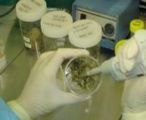
Humans have been manipulating living things for thousands of years. Examples of early biotechnologies include domesticating plants and animals and then selectively breeding them for specific characteristics.
Get information sheet: Ancient biotechnology
Modern biotechnologies involve making useful products from whole organisms or parts of organisms, such as molecules, cells, tissues and organs. Recent developments in biotechnology include genetically modified plants and animals, cell therapies and nanotechnology. These products are not in everyday use but may be of benefit to us in the future.
Applications in biotechnology
Key applications of biotechnology include:
- DNA profiling – Get information sheet: DNA profiling
- DNA cloning – Get information sheet: DNA cloning
- transgenesis
- genome analysis
- stem cells and tissue engineering – Get information sheet: Stem cells
- xenotransplantation – Get information sheet: Xenotransplantation.
Meeting human needs and demands

Biotechnologies have an important role in meeting human needs and demands in medicine, agriculture, forensics, bioremediation, biocontrol and biosecurity.
Medicine
Gene modification or transgenesis are used to produce therapeutic human proteins in cells or whole organisms. The cell or organism used depends upon how large and complex the protein is. For example, human insulin, a small protein used to treat diabetes, is made in genetically engineered bacteria, whereas large, more complex proteins like hormones or antibodies are made in mammalian cells or transgenic animals.Antibiotics and vaccines are products of microorganisms that are used to treat disease. Modern biotechnologies involve manipulating vaccines so they are more effective or can be delivered by different routes.
Gene therapy technologies are being developed to treat diseases like cancer, Parkinson’s disease and cystic fibrosis. In New Zealand, gene therapy is being used as a way to target and kill cancer cells with fewer side effects.
Get focus story: Evolved enzymes
Xenotransplantation is the transplanting of cells, tissue or organs from one species into another. In New Zealand, cells from a unique, virus-free population of pigs are being used to treat people with type 1 diabetes.
Get information sheet: Xenotransplantation
-
Agriculture
Plants and animals can be improved by selectively breeding for particular traits or by genetic modification. Beneficial traits can be identified visually or by DNA profiling. For example, farmers may want plants with herbicide or insect resistance, tolerance to different growing environments or improved storage, or they may want livestock with better meat and wool or resistance to disease.
Forensics
DNA profiling is used in forensic analysis to identify DNA samples at a crime scene or to determine parentage.Get focus story: Forensics
Bioremediation
Organisms or parts of organisms can be used to clean up pollution in soil, water or air. In New Zealand, bioremediation has been suggested as an effective way of removing the toxin DDT from the soil.Get information sheet: Public acceptance of bioremediation to address New Zealand’s DDT problem
Biocontrol and biosecurity
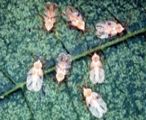
Biocontrol is when one organism is used to control the levels of another. Biocontrol methods are being used in New Zealand to control invasive plants and insects.Get theme: Biocontrol
Biocontrol is also being explored as an option to control numbers of possums in New Zealand.
Get focus story: Biological control of possums
Impacts of biotechnology on society
Biotechnologies use organisms or part of organisms to make a product to meet a specific human need. This raises social and ethical issues that are important to discuss.Get information sheet: Impacts of biotechnology on society.
Metadata
- Published:
- 01 February 2010